

Introduction
A SQL database is created inside of a SQL Server. We used to use queries to create a database in our local computer SQL Server. In the Azure cloud they are not required.
By reading this article, you will learn about how to create a SQL database in the Azure cloud.
Prerequisites for Creating SQL Database
-
Azure cloud account
-
Edge or other browsers
-
Stable internet connection
-
Minimum knowledge of the database
-
Azure SQL Server
Step 1
Login to Azure portal.
Step 2
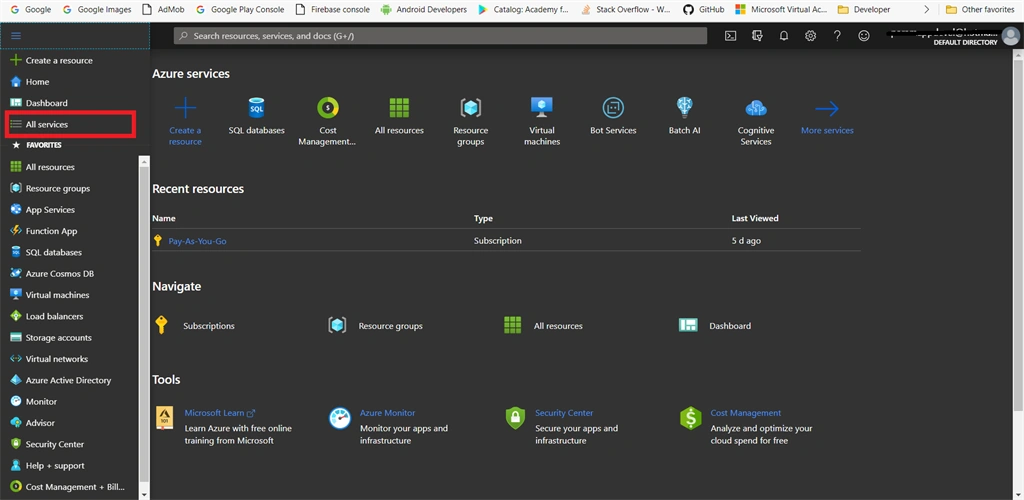
Select “All Services” from the left side navigation pane.
Step 3
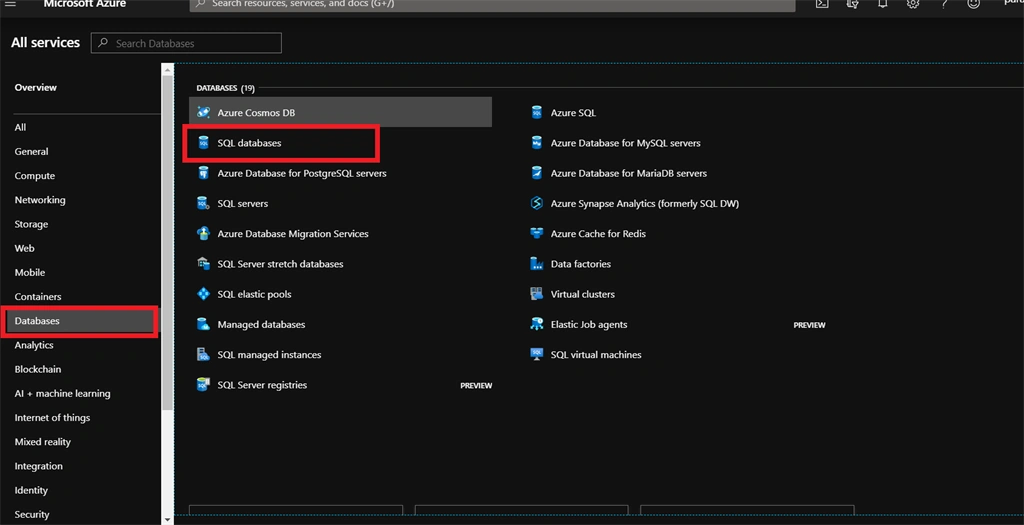
In the “All Services” page, select the “Databases” from the left pane and then click the “SQL databases”.
Step 4
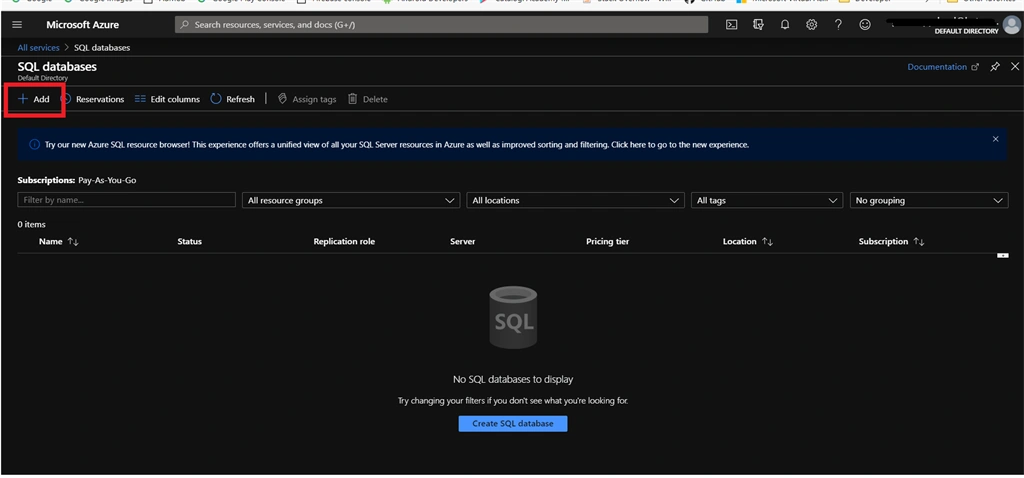
Next, In SQL database page, click “Add” option to create a new database.
Step 5
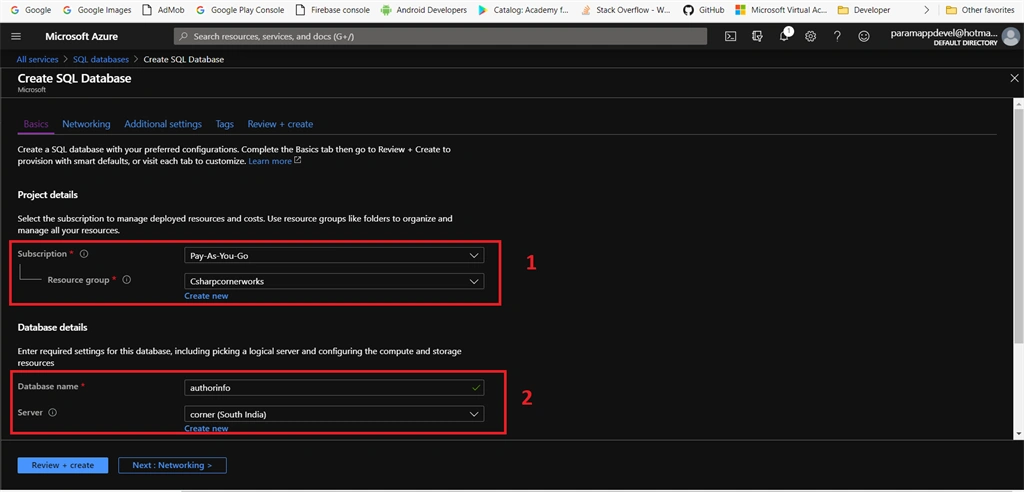
In “Create SQL database” page gives credentials and size to our database.
-
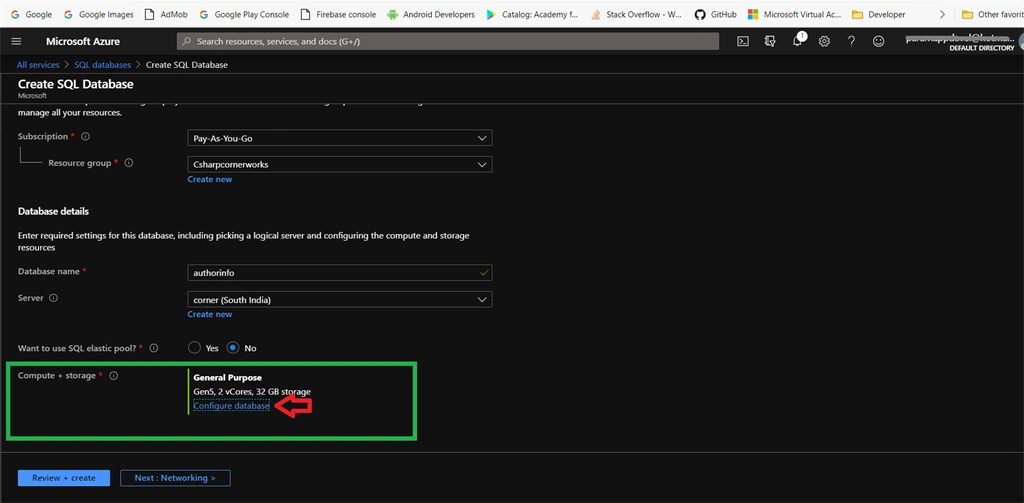
Select your subscription and resource group name (Refer to my previous article, I explained how to create a Resource group in the Azure cloud ).
-
Give a unique name for your database and then select a server. (Refer to my previous article, I explained how to Create A SQL Server in Azure Cloud).
Step 6
Scroll down, next select our database size. Click the “Configure database” link in the Compute + storage section.
Step 7
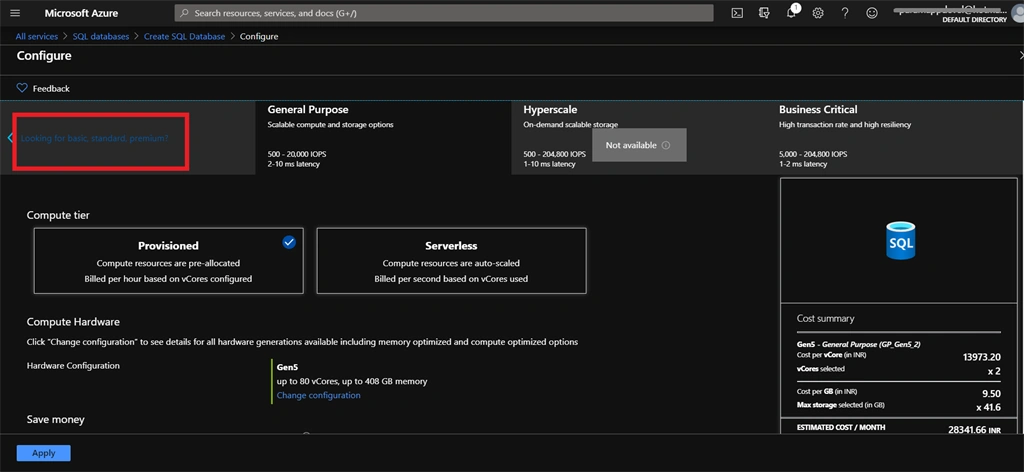
On the configuration page, we are going to select a “Basic” configuration. Click the “Basic, standard and premium” link at the top of the page tab.
Step 8
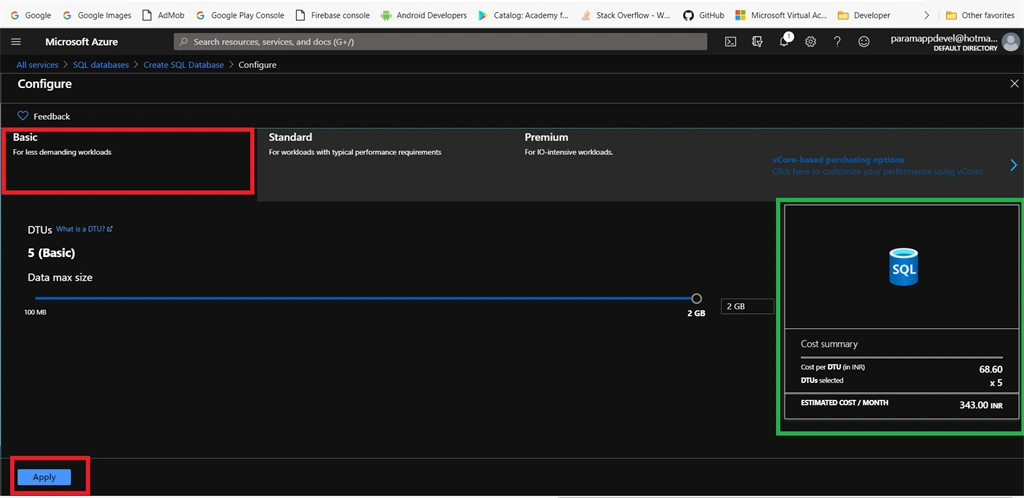
At this page, select a “Basic” tab. Default storage is 2GB and it then displays our database costs per month at the right side. After selecting our configuration, click the “Apply” button.
Step 9
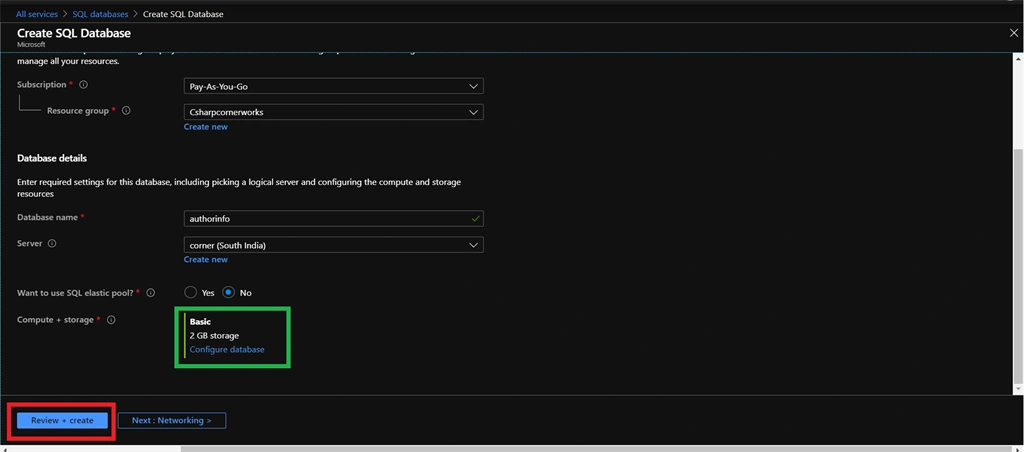
Next check your changes are applied and then click the “Review + Create” button.
Step 10
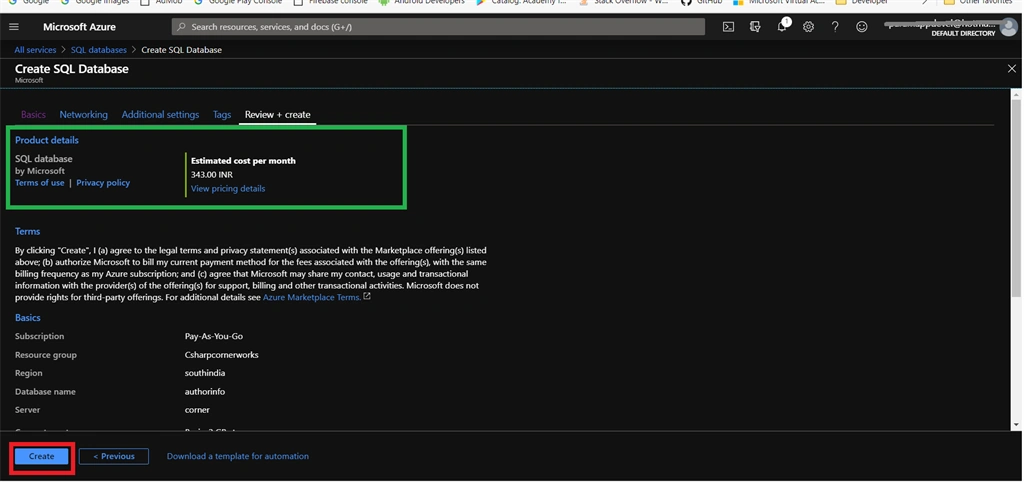
In the Review page, it displays product details, cost and basic information of your created product. Click the “Create” button to deploy our database within minutes.
Step 11
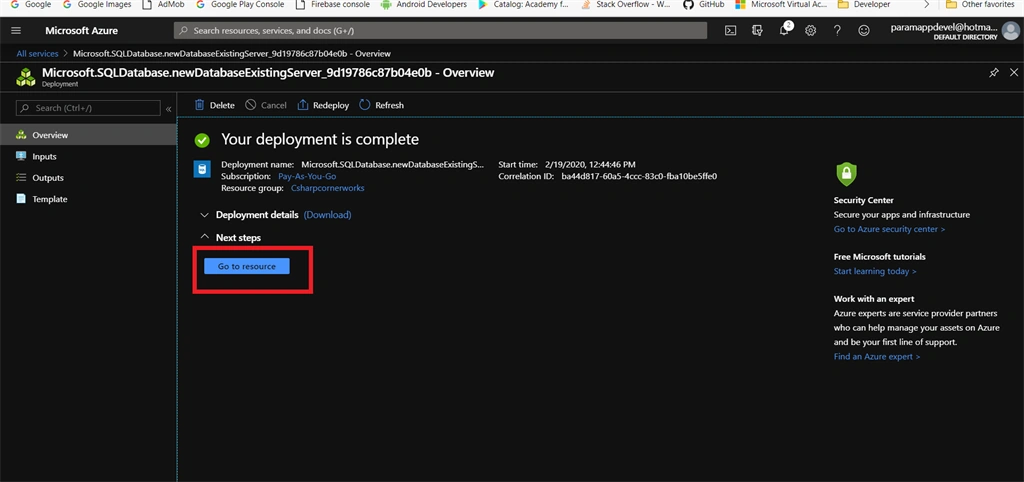
After “your deployment is complete” message is displayed, click the “Go to resource” button.
Summary
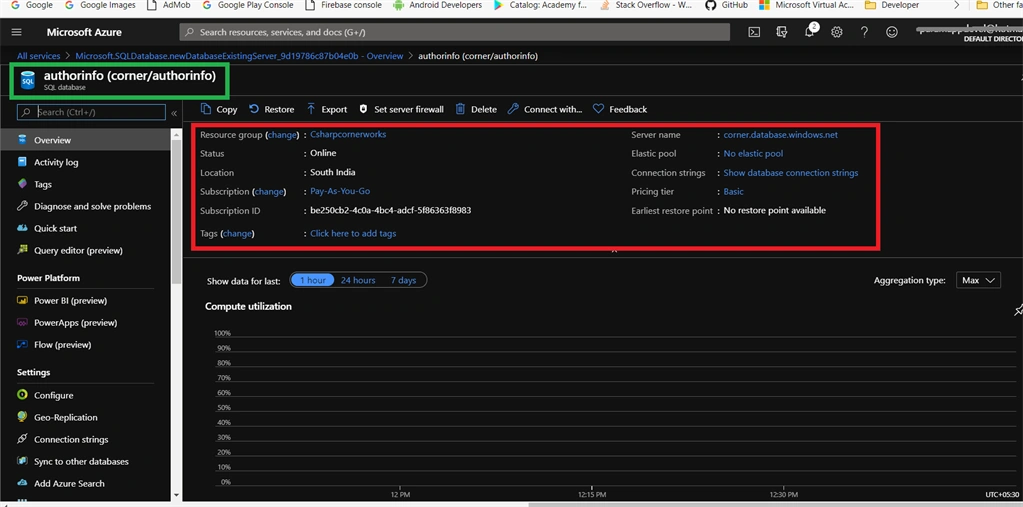
Finally, we created SQL databases in the Azure cloud. Now we are seeing the SQL dashboard.
Join the conversation! Your thoughts help the community grow.